The 3 Videos Every Business Website Should Have — And How to Measure Their ROI
This blog comes from a real pitch I made last week.
Sometimes companies don’t know what they want — or how video can actually help them. They’ve heard about the “power of video marketing,” but they’re not sure where to start.
So they reach out.
They give me a couple pain points.
I ask a couple questions.
Then I go deep.
I audit everything.
Their website.
Their social accounts.
Their messaging.
What’s working. What isn’t.
At this point I’ve done hundreds of these audits for businesses across Boise and the Treasure Valley.
Last week’s company was a software development firm here in Boise, Idaho with strong artificial intelligence offerings. A sharp team. Their office sits at the top of a large building. Kombucha on tap. Fancy.
When I audit a business, I always start with the website. There’s no point investing in lead generation if the part of the funnel that captures those leads is broken.
Most websites I look at? The problem is obvious. They just look bad.
This one was different.
At first glance, it looked great. Strong branding. Clean structure. Quality visuals. There was even some video on the site.
But the longer I stayed on it, the more confused I became about who they actually were and what they really did.
And I have above-average understanding of AI and software development. Both my brothers are developers. My own business runs heavily on tech and AI.
If I’m confused, how is a farmer looking to automate irrigation software supposed to understand this?
That’s when it clicked.
I met with the CEO (the kombucha was excellent), and leaving that meeting felt like a eureka moment.
I knew exactly what was missing.
These are the three videos every business website should have — especially for companies competing in Boise’s growing and increasingly competitive market.
And if you have them, they will save your business the most valuable resource of all:
Time.
1. The Brand Film
Let me say this again for the millionth time:
People do not buy what you sell.
They buy why you sell it.
Who are you?
Why does your company exist?
What do you believe?
Who is this built for?
Why are you different from the five other companies on the same Google results page?
This matters more than most businesses realize.
Here’s a simple example.
I have two solar generators sitting here. One was manufactured overseas. One was built in America.
Which one are you leaning toward?
You probably have follow-up questions — but don’t pretend your perception isn’t already influencing your preference.
That perception isn’t tied to specs.
It’s tied to story.
I did a photo shoot recently with a woman here in Boise who runs a home staging company. Total badass. Mountain bikes. Backcountry skis. Runs triathlons.
She showed up to the shoot dressed like a corporate politician.
Why?
There are a million real estate professionals in pant suits. You’re an outdoor powerhouse — show that.
Your brand isn’t just what you do.
It’s who you are.
Back to the software company.
The photos on their site? Stock imagery. Not their team. Not their office. Pretty, but soulless.
The founder? No longer with the company — yet he was still the face in every video.
Imagine calling because you connected with John’s story… and Bert answers instead.
“John is no longer with the company.”
How much trust just evaporated?
A brand film fixes that.
Before someone calls you, they should know who you are and why you exist. When that connection happens emotionally, the call changes.
They’re no longer asking, “Do I want to work with you?”
They’re asking, “How do we start?”

Here’s an example of a brand film I produced for Helfrich River Outfitters. This video focuses less on the service itself and more on the people behind the company, the environment they operate in, and the story of why the business exists.
When a visitor lands on a website and watches a video like this, they immediately understand the personality of the brand and whether they connect with it.
2. The Process Video
If I’m considering hiring your company, my first question usually isn’t price.
It’s: “How does this actually work?”
And right now, you probably answer that question over and over on calls.
That’s inefficient.
We live in a visual society. People understand process better when they can see it.
When someone watches a clear process video, they understand:
What happens first.
What you need from them.
How long it takes.
What to expect.
Now when they get on a call, they’re further down the funnel.
They’re not asking basic questions.
They’re asking buying questions.
Even better — if someone emails you asking how it works, you can send the video. You just saved yourself 20 minutes.
Multiply that across a year.
That’s ROI.
For Boise-based software companies, construction firms, professional services teams, and even local restaurants, clarity around process builds confidence. And confidence increases conversion.
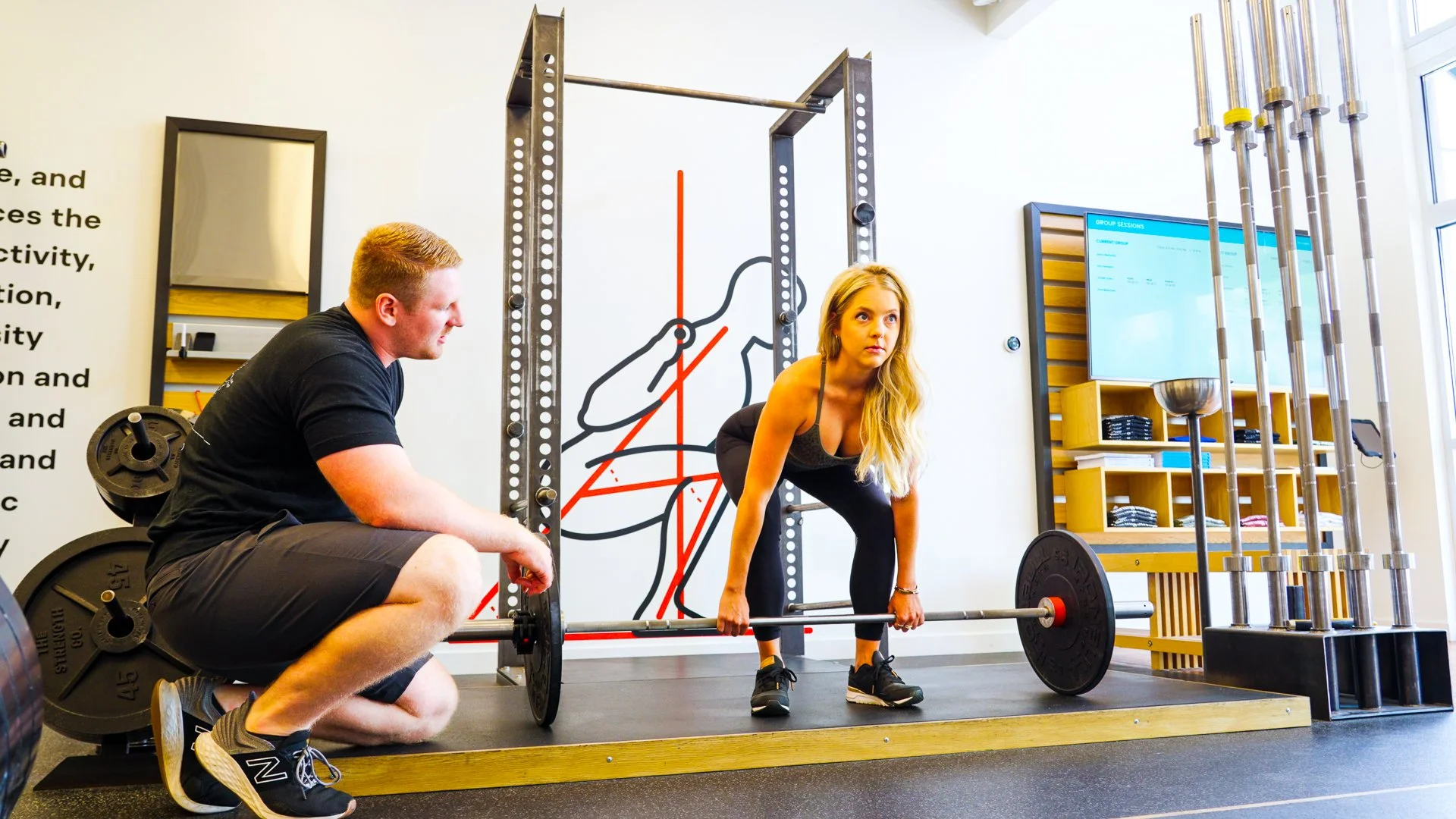
This video explains how the onboarding process works at a Starting Strength gym. Instead of answering the same questions over and over on discovery calls, the gym can simply send this video to potential members.
By the time someone reaches out, they already understand the process and are much further down the decision path.
3. The Case Study
Every potential client eventually asks themselves:
“Does this actually work?”
You saying yes doesn’t carry the same weight as someone in their position saying yes.
That’s why case studies matter.
Walk through a real problem.
Show the solution.
Show the result.
Let a client speak on your behalf.
When a prospective client sees someone like them getting results, doubt decreases.
And decreased doubt increases conversion.

This case study video features interior designer Lauren Smyth discussing a project involving Kentwood Floors. Instead of the company explaining the value of their product themselves, a real client explains the problem, solution, and outcome.
That kind of third-party validation is incredibly powerful for businesses trying to build trust with new clients.
Why These Three Work Together
The brand film builds trust.
The process video removes confusion.
The case study proves capability.
Together, they create clarity.
Clarity increases conversion efficiency.
Conversion efficiency saves time.
Time is money.
You can see more examples of corporate and commercial work in my video portfolio.
How to Measure the ROI of Website Video
When I sat down with that CEO in Boise, he asked me one of the best questions I’ve ever been asked:
“How do we measure return on investment for something like this?”
He was right to ask.
Video ROI is rarely a clean equation like, “We spent $5,000 and made $15,000.”
Strategic website videos don’t create demand from scratch.
They improve the efficiency of demand that already exists.
Here’s how companies can measure that.
First, establish baseline metrics before implementing video. Look at your current inquiry volume, close rate, and average sales cycle length.
After 90–180 days, compare.
If inquiry volume decreases slightly but close rate increases, that’s a win. A process video can filter out poor-fit prospects before they waste your team’s time.
If sales calls are shorter and more focused, that’s operational ROI.
If website engagement increases — longer time on page, lower bounce rate, higher video completion — that’s stronger alignment.
If prospects reference your case studies during calls or proposals, that’s proof your content is influencing decisions.
Even a shift from a 20% close rate to 25% compounds dramatically over time.
The goal isn’t more traffic.
It’s better performance from the traffic you already have.
Final Thoughts: Video as Business Infrastructure
Most companies think about video as marketing content.
I don’t.
I think about it as business infrastructure.
A well-placed brand film shapes perception.
A process video improves sales efficiency.
A case study increases confidence at the decision stage.
For businesses in Boise and throughout the Treasure Valley, competition isn’t slowing down. The companies that communicate clearly — and efficiently — win.
If your website feels polished but underperforming, it may not need more traffic.
It may need clarity.
If you're a Boise business thinking about adding video to your website, feel free to reach out here.
Frequently Asked Questions
How much does a professional website video cost in Boise?
Pricing varies depending on scope, but most brand films and strategic website videos for Boise businesses range from a few thousand dollars upward depending on production complexity, interviews, and editing requirements.
How long should a website brand or process video be?
Most effective website videos range from 60 seconds to 3 minutes. The goal is clarity, not length.
Will video guarantee more leads?
Video improves conversion efficiency. That may mean more qualified leads rather than simply more leads. Improvements can be tracked through close rate, sales cycle length, and lead quality.
What if we already have video on our website?
Many companies have video, but not strategic video. Outdated leadership interviews, stock-heavy reels, or misaligned messaging can reduce trust instead of building it.
How long does it take to produce a website video?
Most professional website videos can be produced within 3–6 weeks depending on scheduling and scope.
If you’re a Boise or Treasure Valley business owner and you’re curious how your website is performing from a clarity standpoint, I’m always happy to start with a conversation.
Because most of the time, the issue isn’t visibility.
It’s clarity.
